Factors to Consider When Upgrading Your Home Security System
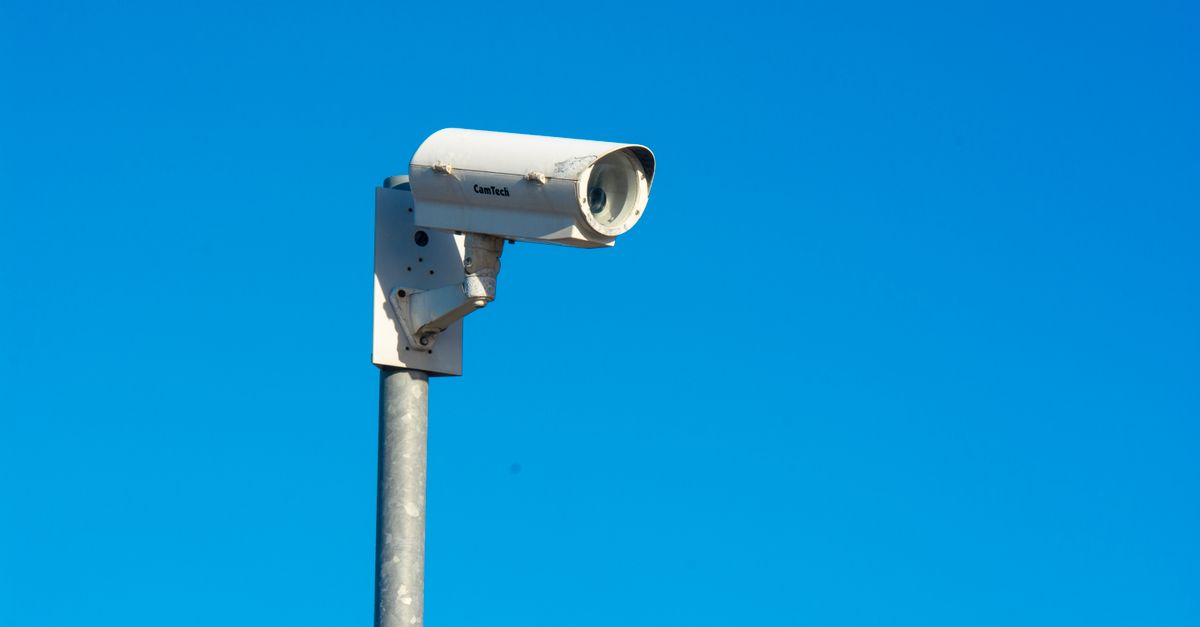
Table Of Contents
Assessing Equipment Quality
When evaluating the quality of home security equipment, it is crucial to consider the materials and construction of each component. Durable materials can withstand wear and tear, weather conditions, and potential vandalism. Devices designed with solid casings and reliable internal mechanisms tend to outperform cheaper alternatives. Checking for certifications and adherence to industry standards may provide additional assurance regarding the reliability of the equipment.
The performance features of security systems play a significant role in their overall effectiveness. Look for elements such as resolution quality in cameras, battery life in alarms, and connectivity options for smart devices. Thorough research into user reviews and expert recommendations can also shed light on how well specific products have performed in real-world scenarios. High-quality equipment often translates to enhanced protection, allowing homeowners to feel more secure in their environments.
Key Features to Look For
When choosing a home security system, several key features can significantly enhance its effectiveness. Look for systems that offer real-time monitoring, allowing you to receive immediate alerts if an intrusion occurs. Integration capabilities with smart home devices can also enhance usability and streamline your security management. Consider systems that provide remote access through mobile apps, enabling you to monitor your property from anywhere.
Another important aspect is the type of sensors included in the system. Motion detectors, entry sensors for doors and windows, and environmental sensors that detect smoke or flooding can provide comprehensive protection. Additionally, high-definition cameras with night vision capabilities improve visibility during low light conditions, while two-way audio allows for direct communication with visitors or potential intruders. Choosing a system with reliable customer support and warranty coverage can also offer peace of mind.
Installation Options
When considering upgrading your home security system, you have a couple of installation options to weigh. Professional installation typically ensures that your system is set up correctly and optimally positioned for maximum effectiveness. Technicians often have the expertise to handle complex wiring and can provide ongoing support. This option may come with additional costs but can save you time and hassle.
On the other hand, self-installation has become increasingly popular due to advancements in user-friendly technology and comprehensive instruction manuals. Many homeowners appreciate the flexibility of being able to install their systems at their own pace. Additionally, it can significantly reduce overall costs, as there are no labour charges associated with hiring a professional. However, it requires a certain level of comfort with technology and a commitment to following necessary guidelines for optimal performance.
Professional Installation vs. Self-Installation
When deciding on how to set up your home security system, many homeowners grapple with the choice between professional installation and self-installation. Professional services typically ensure that equipment is installed correctly and configured for optimal performance. Technicians bring expertise to the process, which can mitigate potential issues arising from improper setup. They can also provide insights and recommendations tailored to the specific needs of your home.
On the other hand, self-installation offers flexibility and often reduces costs associated with hiring a professional. Many modern security systems come equipped with user-friendly instructions, making it accessible for those who are somewhat handy. DIY setups allow homeowners to personalise their security measures according to their preferences. However, this approach may require a degree of technical knowledge and confidence to effectively troubleshoot any problems post-installation.
The Role of Surveillance Cameras
Surveillance cameras play a crucial role in enhancing home security. They act as a deterrent to potential intruders, often making them think twice before targeting a property. In addition to discouraging criminal activity, these cameras provide valuable evidence in the event of a security breach, allowing homeowners to review footage and share it with law enforcement when necessary. The presence of surveillance cameras can significantly increase the overall safety of a home.
Placement and coverage are vital considerations when integrating cameras into a home security system. Strategic positioning ensures that both exterior and interior areas are monitored effectively. Common locations include entry points such as doors and windows, as well as driveways and backyards. A well-structured camera layout not only maximises coverage but also minimises blind spots, providing homeowners with a comprehensive view of their property and enhancing their ability to respond quickly to suspicious activities.
Placement and Coverage Considerations
The effectiveness of surveillance cameras hinges on their placement within and around the property. Ideally, cameras should be installed at points that provide a clear view of key entry points such as doors and windows. High-traffic areas where people are likely to pass by are also critical spots. Mounting cameras at sufficient heights helps to prevent tampering while ensuring a broader field of vision. Consideration should also be given to lighting, as well-illuminated areas enhance image clarity, particularly during nighttime hours.
Coverage is an integral aspect of security camera deployment. It's essential to avoid blind spots where intruders might go unnoticed. Conducting a thorough assessment of the property layout can help identify these vulnerable areas. Additionally, overlapping camera views can provide a fail-safe, allowing for multiple recordings of the same event should one camera malfunction. Regularly reviewing footage from various angles can also unveil any potential coverage gaps, ensuring that the property remains adequately monitored.
FAQS
Why is assessing equipment quality important when upgrading my home security system?
Assessing equipment quality is crucial because high-quality components ensure better reliability, durability, and effectiveness in protecting your home. Investing in quality equipment can enhance your security measures and reduce the likelihood of failures.
What key features should I look for in a home security system?
Key features to consider include motion detection, remote access, integration with smart home devices, two-way audio, night vision capabilities, and the ability to receive notifications or alerts on your smartphone.
What are the benefits of professional installation versus self-installation?
Professional installation often guarantees proper setup and configuration, which optimises the performance of your security system. Self-installation, on the other hand, can be cost-effective and allows for flexibility, but it requires a certain level of technical skill to ensure everything is set up correctly.
How do I determine the best placement for surveillance cameras?
The best placement for surveillance cameras involves strategic positioning to cover key entry points, such as doors and windows, as well as high-traffic areas. It’s also important to consider the camera’s field of view, lighting conditions, and potential obstructions to maximise coverage.
Can I integrate my new security system with existing home automation devices?
Yes, many modern security systems are designed to integrate seamlessly with existing home automation devices. Check for compatibility with your devices, and consider features that allow for unified control through a single app or platform.
Related Links
How to Prepare Your Home for Security Camera InstallationChoosing the Right Security Camera for Your Gold Coast Home
DIY vs Professional Installation: What's Best for Gold Coast Homes?
Understanding the Different Types of Residential Security Cameras
Common Mistakes to Avoid in Residential Security Camera Installation
Best Locations for Installing Security Cameras in Your Home
Integrating Smart Technology into Your Home Security System